



The engine could be intended for one or the other DELTA or WYE attach. This type is intended for consistent use and high beginning forces. Engine speed is moderately consistent. Assuming three-stage voltage is accessible this is the engine to pick.
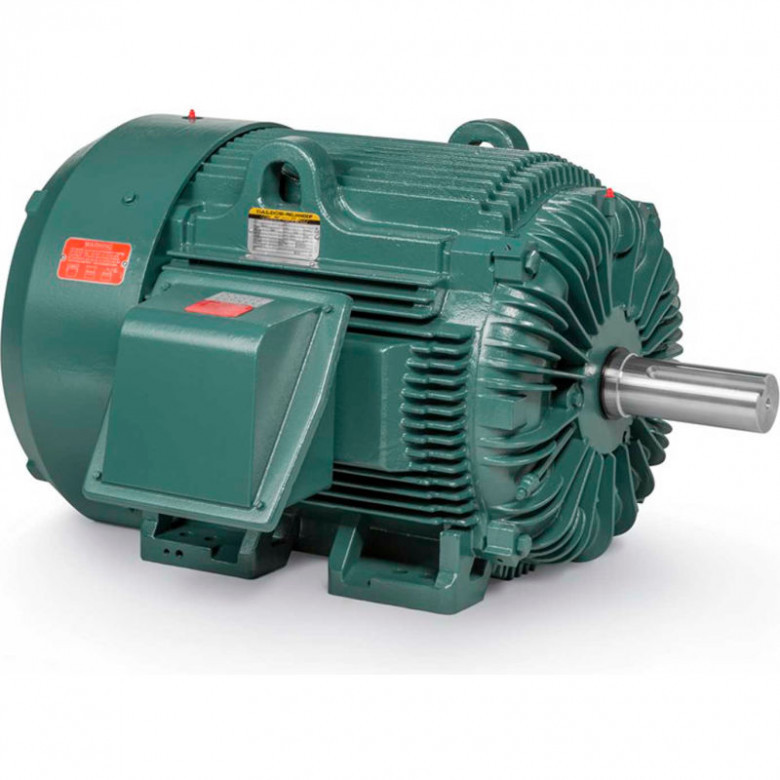
Hysteresis simultaneous engines are fundamentally enlistment engines that run at coordinated speed. At the point when your application requires coordinated speeds, this is the most ideal decision. These ECP4406T-4 engines are solid and low in cost. They are, be that as it may, restricted in their capacity to deal with enormous idleness loads.
These engines can be intended for either a single stage or three stages. For single-stage voltage, a capacitor will be required. Hysteresis coordinated engines foster what's known as pull-out and pull-in forces. Take out force is how much force/load the engine can deal with similarly as it hauls out of coordinated speed.
Pull-in force is how much force on the result shaft permits the ECP84110T-4 engine to maneuver into synchronism and remain there. Both draw-in and take-out forces are basically the same. These engines have low beginning flows and low vibration. Since the rotor gathering is produced using a cobalt material, which is difficult to find, this style of engine is costly.
The immediate current (DC) engines that are accessible are brushless DC (BLDC), brush, and stepper engines. At the point when you just have DC voltage accessible than one of these engines ought to be utilized. Brushless DC engines have no brushes consequently there aren't any concerns of brush wear or starting. Strong state controls and input devices are expected for operation.
Not at all like brushless engines, brush DC ECP82333T-4 engines require no control hardware. Brush engines use commutators and brushes to create an attractive field.


